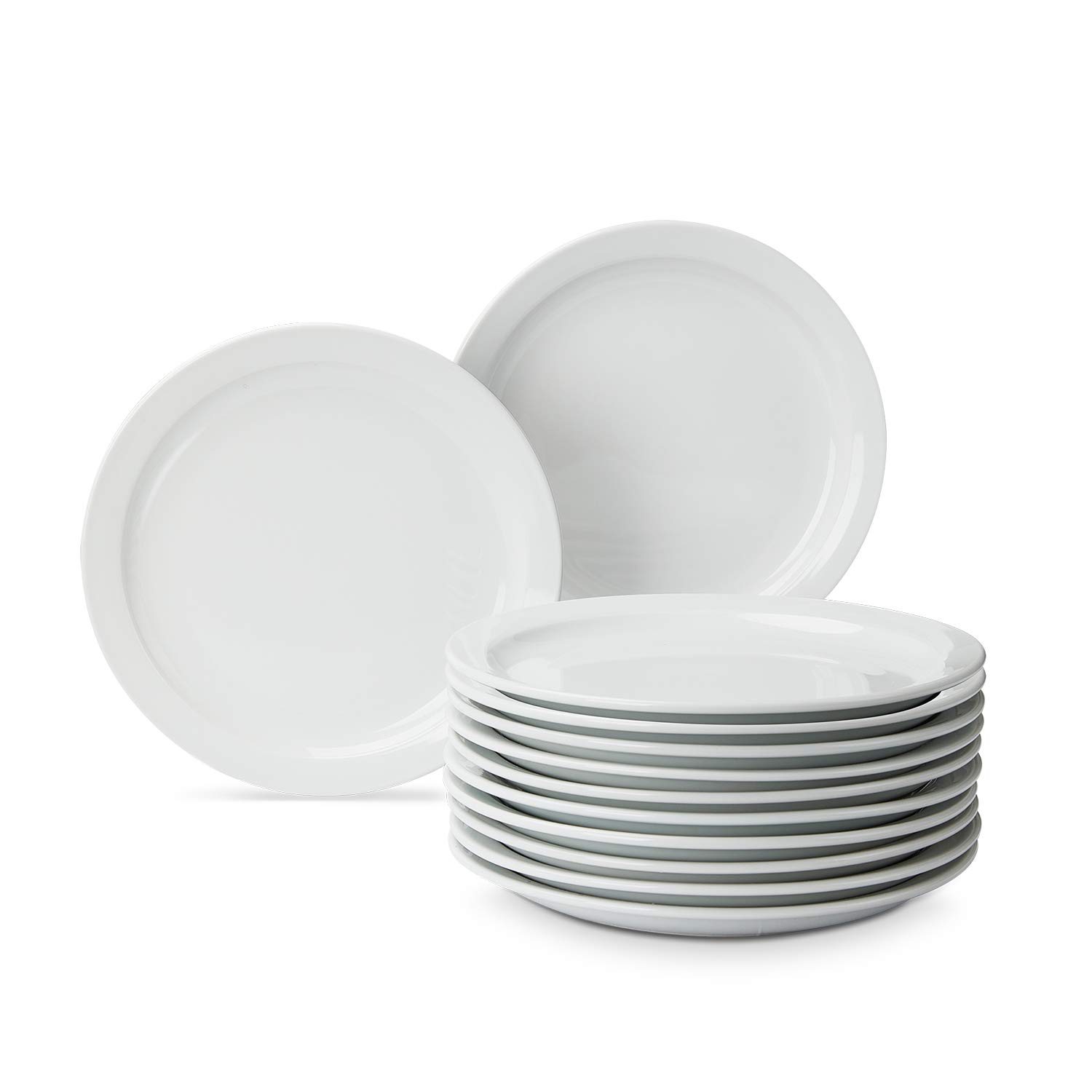
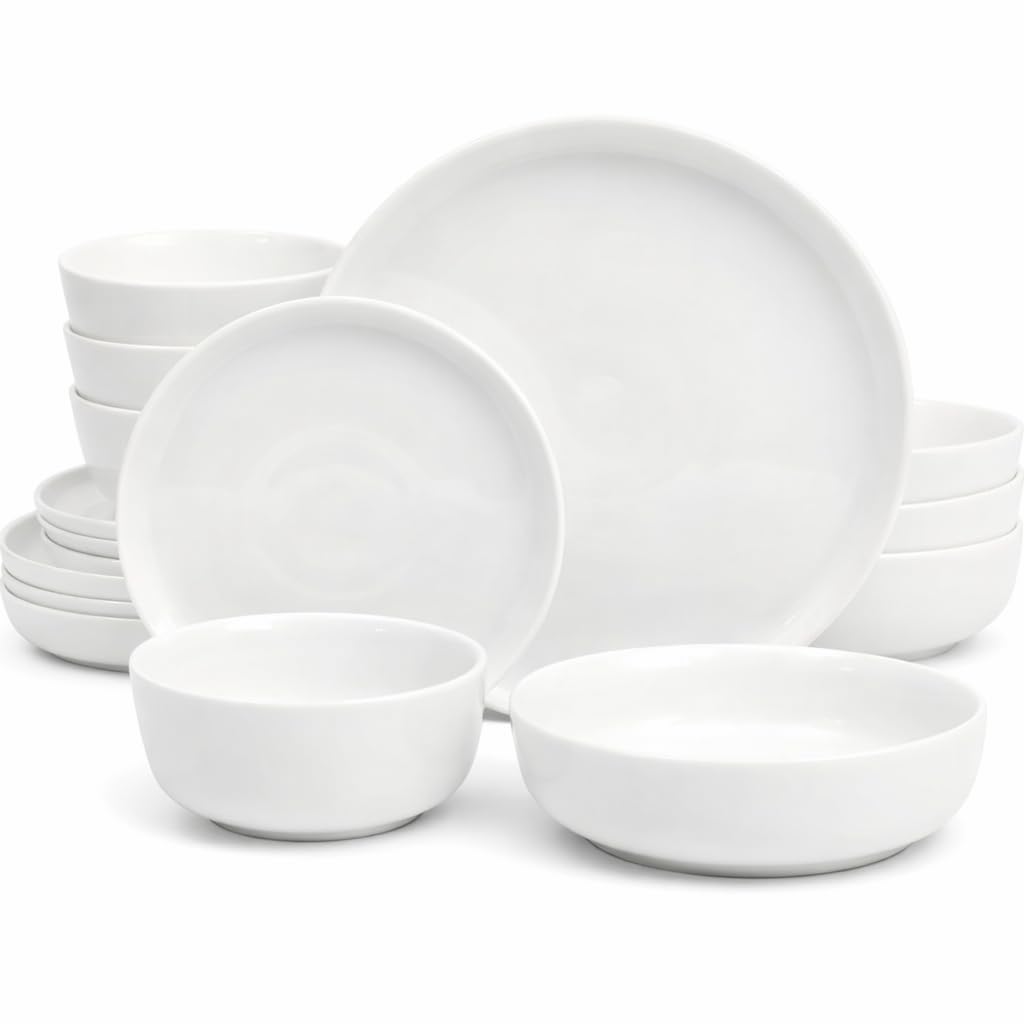
Capacity, depth, material — what each spec means and how to match a bowl to what you are serving.
Not all bowls are interchangeable. A cereal bowl and a pasta bowl look similar but behave very differently at the table. Here is how to read the specs.
Capacity — the most important number
Bowl capacity is usually listed in ounces: - **16-20oz**: Cereal, small side salads, snacks - **20-28oz**: Soup, stew, larger salads - **28-32oz+**: Family-style pasta bowls, ramen
Buying undersized bowls is the most common mistake — check capacity, not just diameter.
Depth vs. width
Deep, narrow bowls suit soups and stews and keep them hot longer. Shallow, wide bowls work best for pasta and salads, giving more surface area to toss and plate food.
Material and heat retention
Stoneware is thicker and retains heat longer, keeping soup warmer at the table. Porcelain is lighter and cools faster but has a more refined look. Melamine is durable and lightweight — good for outdoor use, but not microwave safe.
Nesting and storage
Bowl sets that nest tightly save real cabinet space. Check the stack height against your shelves before ordering a large set.
Rim design
A wide, flat rim on a pasta bowl makes it easy to twirl noodles and keeps sauce contained. Rimless soup bowls are easier to stack but offer less grip.
Before you buy
Match the bowl material to how you will use it — stoneware for everyday soups, porcelain for entertaining, melamine for outdoor dining — and confirm dishwasher and microwave safety on the listing.
Ready to find the right piece?
Browse our catalog of plates, bowls, mugs, platters and dinnerware sets.