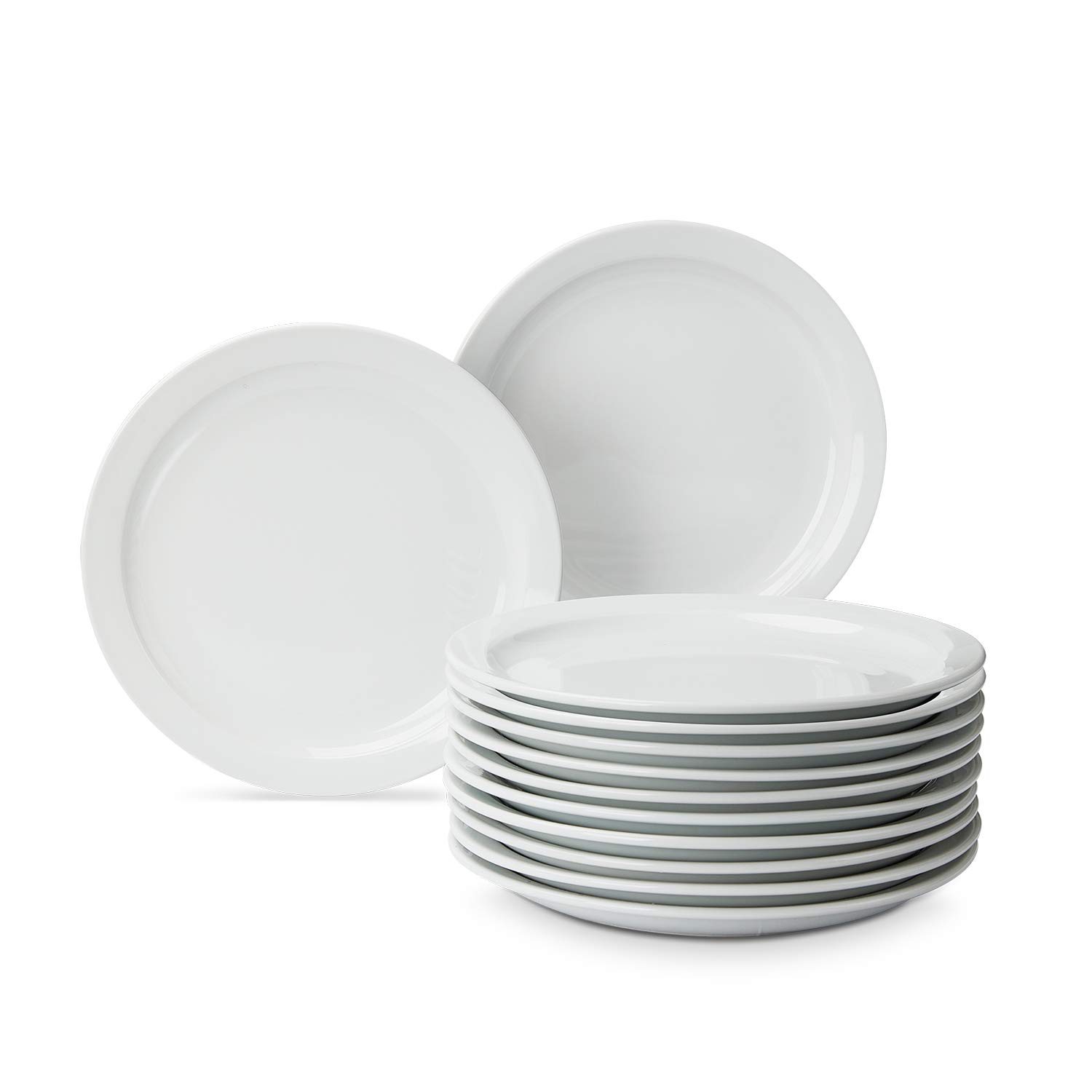
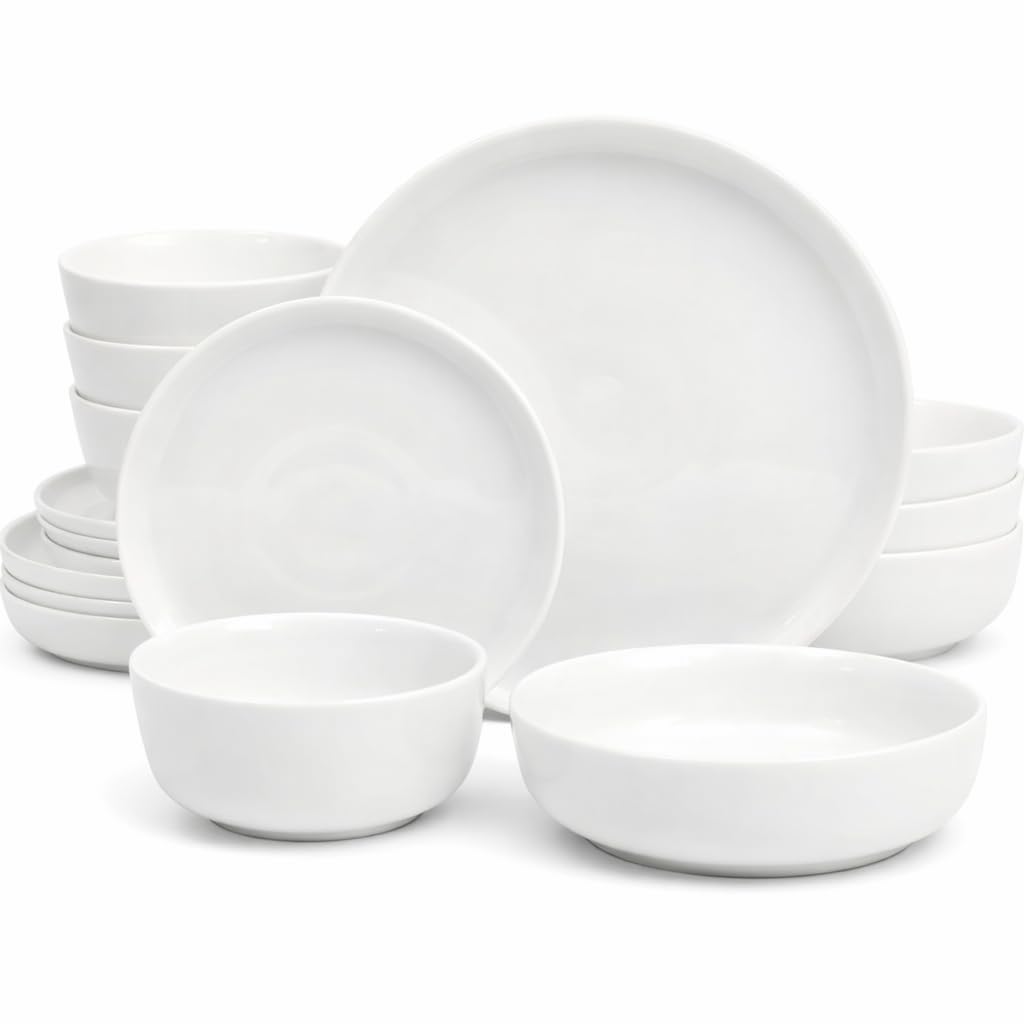
Size, material, oven safety — the specs that determine whether a platter works for your table.
An undersized platter is one of the most common entertaining mistakes. Here is how to size and choose the right one.
Size to your typical dish
- **10-12"**: Appetizers, small cheese boards
- **14-16"**: A whole roast chicken, holiday spreads, charcuterie for 4-6
- **18"+**: Large gatherings, whole turkeys, big charcuterie spreads
When in doubt, size up — an oversized platter is far less awkward than food spilling off the edges.
Material by use case
Wood and slate boards suit charcuterie, cheese and cold appetizers but should never go in the oven or dishwasher. Ceramic and stoneware platters handle hot food and are usually oven-safe up to a labeled temperature. Melamine is durable and lightweight for outdoor entertaining but is not oven or microwave safe.
Rimmed vs. flat
Rimmed trays contain sauces, juices and crumbs — better for roasted meats or saucy dishes. Flat boards work best for dry appetizers, cheese and charcuterie where presentation matters most.
Oven-to-table pieces
Oven-safe platters let you roast and serve from the same dish, keeping food hotter longer and cutting down on cleanup. Check the labeled maximum temperature before using it in the oven.
Storage
Large platters take up significant cabinet space — measure your storage before buying an 18"+ piece, or look for stackable designs.
Before you buy
Match the platter size to your largest typical gathering, not your everyday needs, and confirm oven, dishwasher and freezer safety on the product listing.
Ready to find the right piece?
Browse our catalog of plates, bowls, mugs, platters and dinnerware sets.